
How to Tell if a Yu-Gi-Oh! Card Is Rare: A Collector’s Guide to Spotting Value
For Yu-Gi-Oh! collectors and players, few things compare to the thrill of discovering a rare card. Whether it’s an Ultra Rare, Ghost Rare, or a promotional tournament-exclusive card, these treasures add prestige and excitement to any collection. However, with so many foil variations, special editions, and reprints, it can be challenging to determine which cards are truly valuable.
This ultimate guide will teach you how to identify rare Yu-Gi-Oh! cards, what factors influence their value, and how to protect yourself from counterfeits. Whether you’re a new collector or a seasoned duelist, mastering these rarity indicators will help you spot hidden gems and make informed collecting decisions.

What Makes a Yugioh Card Rare?

In the world of Yu-Gi-Oh! collecting, rarity determines desirability and value. While some cards are mass-produced and easily available, others are limited edition and highly sought after. Understanding what makes a card rare will help you distinguish valuable collectibles from common pulls.
Factors That Influence Rarity
Several key elements determine how rare a Yu-Gi-Oh! card is, including production numbers, special editions, and demand. Below are the primary factors that impact a card's rarity:
Factor | Impact on Rarity |
Print Run | Cards with limited production runs are harder to find and typically more valuable. |
Holographic Features | Special foil patterns and textures can indicate a higher rarity tier. |
Set & Edition | First-edition prints tend to be more desirable than reprints. |
Tournament Legality | Some cards are exclusively given as event prizes, increasing their scarcity. |
Collector Demand | The more players and collectors seek out a card, the more its value may rise. |
A combination of these factors determines whether a card is considered common, rare, or a high-value collectible.
Mass-Produced vs. Limited Edition Cards
Not every Yu-Gi-Oh! card is exactly unique. Common cards are cheap and often found in deck sets and booster packs. Conversely, limited-edition releases—such as event awards, special anniversary prints, or promos exclusive of tournaments—are significantly less common. Experienced collectors will know these cards immediately because of distinctive stamps, foiling methods, or serial numbers.
How to Spot Rare Features in Yu-Gi-Oh! Cards
Identifying a rare Yu-Gi-Oh! card requires close examination of design details, foiling methods, and rarity stamps. Here are the most important visual and physical indicators:
Holographic Foil Accents
- Super Rares: Feature holographic artwork but standard name text.
- Ultra Rares: Feature gold foil names and holographic artwork.
- Secret Rares: Have a unique diagonal rainbow foil pattern across both the card name and artwork.
- Ghost Rares: Feature 3D-style, ghostly holographic artwork, making them extremely rare.
- Ultimate Rares: Have embossed textures on both the artwork and card name.
- Starlight Rares: Feature a full-card foil effect, resembling shimmering stardust.
Serial Numbers & Set Codes
- Tournament promo cards and limited-edition releases often feature unique serial numbers.
- The set code (found at the bottom-left corner) can help determine whether a card is from an original release or a reprint.
First Edition vs. Unlimited Edition
- First Edition cards are more desirable and often hold higher value than Unlimited Editions.
- Look for the “1st Edition” stamp on the lower left of the card.
Collector’s & Promo Stamps
- Some event-exclusive cards have unique foil stamps, indicating that they were only available in tournaments or special promotions.
Artwork & Texture Enhancements
- Certain rare cards feature raised textures, embossed text, or shimmering foil overlays that make them visually distinct.
Understanding Rarity Levels in Yu-Gi-Oh!
Each Yu-Gi-Oh! card belongs to a specific rarity tier, which impacts both its design and availability.
| Rarity Level | Key Features |
|---|---|
| Common | No foil elements, mass-produced. |
| Rare | Silver foil card name, no holographic artwork. |
| Super Rare | Holographic artwork, normal name text. |
| Ultra Rare | Gold-foil name, holographic artwork. |
| Secret Rare | Diagonal rainbow foil across name and artwork. |
| Ghost Rare | 3D-style holographic artwork with faded effects. |
| Ultimate Rare | Embossed artwork and card name. |
| Starlight Rare | Full card foiling with a glitter effect. |
High-rarity cards are not only visually stunning but also more difficult to find, making them highly desirable among collectors.
How Rarity Impacts Card Value
Not all rare cards hold the same monetary value. Here’s what influences their price:
🔹 Print Run & Availability – Limited prints and exclusive promotional cards tend to increase in value over time.
🔹 Competitive Playability – Meta-relevant cards used in tournaments often have higher resale demand.
🔹 Collector Demand – Iconic cards, such as Blue-Eyes White Dragon or Dark Magician, hold value due to nostalgia and collector interest.
🔹 Condition & Grading – Professionally graded cards (PSA, BGS) in mint condition fetch higher resale prices.
If you’re serious about investing in rare Yu-Gi-Oh! cards, always check market trends, player demand, and condition quality.
How to Determine a Card’s Value
Not all rare cards are worth the same amount—values fluctuate based on market demand, condition, and rarity tier. Below are the main steps for assessing a Yu-Gi-Oh! card’s worth:
1. Check Rarity & Edition – First-edition and higher rarity tiers are usually more valuable.
2. Evaluate Condition – Surface scratches, whitening edges, and centering issues impact price.
3. Compare Market Prices – Use platforms like TCGPlayer, eBay, and Yu-Gi-Oh! Price Guides to track card values.
4. Assess Competitive Playability – Cards used in tournaments often have higher resale demand.
5. Check for Signed or Misprinted Cards – Factory misprints and autographed cards can skyrocket in value.
Some rare cards appreciate over time, especially when they belong to older or discontinued sets. Collectors looking for long-term investments often focus on nostalgic-era cards, such as those from Legend of Blue-Eyes White Dragon or Dark Crisis, as they are historically significant.
How to Avoid Counterfeit Yu-Gi-Oh! Cards
With rare cards becoming increasingly valuable, counterfeit versions have flooded the market. Here’s how to spot fake Yu-Gi-Oh! cards:
🚨 Font Differences – Fake cards often have incorrect fonts, misaligned text, or bolded names that don’t match the official design.
🚨 Low-Quality Printing – Blurry, faded, or pixelated artwork indicates a counterfeit card.
🚨 Incorrect Foiling – Many fake cards lack proper holographic effects seen in Super, Ultra, Secret, and Ghost Rares.
🚨 Mismatched Set Codes – Authentic cards have properly formatted set numbers—fake cards often contain errors or typos.
🚨 Suspicious Pricing – If the price is too good to be true, it probably is.
Always purchase cards from trusted sources, such as official retailers or reputable marketplaces.
How to Verify Authenticity
Authenticating a rare Yu-Gi-Oh! card requires a detailed inspection to ensure it meets the standards of a genuine release. This process often involves examining visual and physical characteristics closely, sometimes with the aid of specialized tools. One of the simplest methods is to hold the card under bright light, which reveals proper holographic features and ensures any text embossing is accurate. Authentic cards typically display distinct visual effects that counterfeit versions cannot replicate.
The card stock itself is another important factor. Genuine Yu-Gi-Oh! cards are printed on high-quality material with a specific texture and thickness, which can be felt upon handling. Comparing the questionable card to a verified authentic version can also help identify discrepancies, as inconsistencies in color, font, or design often stand out when the two are placed side by side. For finer details, using a magnifying glass allows you to inspect microtext or logos that are often distorted or missing in fake cards.
Lastly, always prioritize buying from reputable sellers. Trusted sources such as official retailers, verified dealers, or well-known TCG marketplaces significantly reduce the risk of encountering counterfeit cards. These precautions not only protect your collection but also ensure that each addition to it retains its value and authenticity.
Why Authenticity Matters
Purchasing fake cards can result in significant losses, especially for collectors and investors. Counterfeits hold no real value and can tarnish the credibility of a collection. Moreover, using fake cards in tournaments or trades can lead to disqualification or disputes. Ensuring that all cards are authentic is a critical step toward building a trustworthy and valuable collection.
The Thrill of Mystery Boxes & Yu-Gi-Oh! Collecting
Unboxing rare Yu-Gi-Oh! cards is an exhilarating experience, similar to the anticipation of mystery boxes. The thrill of uncovering ultra-rare treasures keeps collectors engaged, and this is where Cases.gg brings a new dimension to card collecting.
Discover Rare Collectibles with Cases.gg Mystery Boxes
For Yu-Gi-Oh! collectors, Cases.gg offers a unique way to uncover valuable cards and collectibles. Instead of relying solely on booster packs, Cases.gg provides curated mystery boxes filled with gaming rewards, rare cards, and exclusive merchandise.
What’s Inside Cases.gg Mystery Boxes?
- Limited Edition Yu-Gi-Oh! Cards 🔥
- Exclusive Collectibles & Memorabilia 🎴
- High-Value Gaming Merchandise 🎮
- Themed Surprises Inspired by the Yu-Gi-Oh! Universe
Mystery boxes add an extra layer of excitement, making each unboxing experience feel like a treasure hunt.
Explore Cases.gg’s Yu-Gi-Oh! Mystery Boxes
Interested in expanding your Yu-Gi-Oh! collection with exclusive surprises? Check out these Yu-Gi-Oh!-themed mystery boxes:
Yu-Gi-Oh! Collector Mystery Box
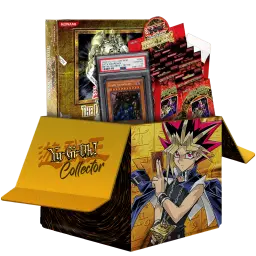
Cars vs. Cards Mystery Box

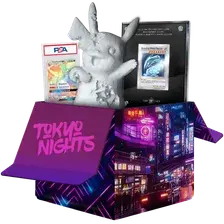
Tokyo Nights Mystery Box
 About the author
I am the Lead Developer at Clash.gg. With over 7 years of experience, I have been at the forefront of creating innovative products and driving technological advancements in the gaming industry.